
Self-Care Guide
WRITE YOUR OWN MENOPAUSE STORY
Welcome, beautiful soul. You are not alone.
Menopause is not the end of who you are. It is the beginning of who you are becoming. I have walked this road for nearly two decades and what I discovered was that I always had it within me to rewrite my story. I always have a choice of how I want my journey to be..
This guide is your starting point. Inside, you will find the tools to reconnect with yourself, honour your journey, and rise into the powerful Queen you have always been.
Your transformation starts now. And I am honoured to walk beside you.
DOWNLOAD IT NOW FOR FREE
Menopause is more than just a physical transition. It is a deeply personal, transformative journey that touches every part of your life. From fluctuating hormones to emotional highs and lows, it can bring overwhelm, frustration, and moments of deep isolation.
But it does not have to stay that way.
Using proven science-based tools, and the power of self-love, this chapter can become your greatest transformation yet. You can rise, heal, and rewrite your menopause story.
This guide is designed to help you reclaim your menopause journey by prioritizing your well-being and cultivating a powerful, positive mindset. You will discover practical tools that manage stress, boost self-confidence, and foster emotional balance while supporting healing and growth.
Through The Menopause Mindshift, I will show you how self-love and manifestation are not just feel-good practices. They are life-changing strategies that ease symptoms, rewire your mind, and reconnect you with your unstoppable inner Queen.
By embracing these principles, you will not just navigate menopause. You will thrive. You will become stronger, more radiant, and empowered to manifest the vibrant midlife you deserve.
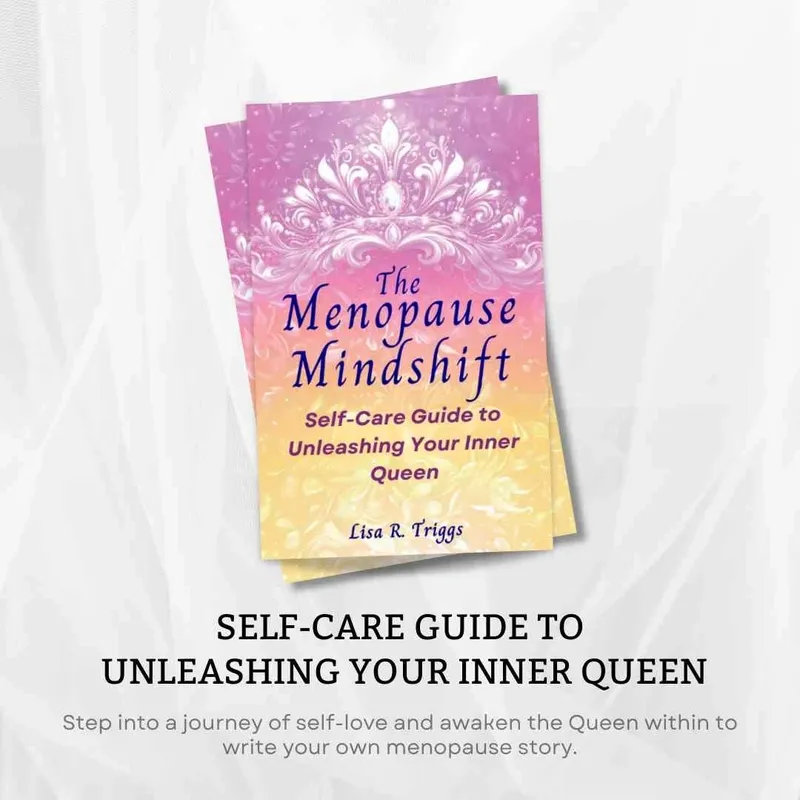
How to Improve Menopause in Just 15 minutes
5 THINGS YOU CAN DO A DAY IN 15 MINUTES:
15 minutes a day is all you need to start feeling better during menopause. Carve out 15 minutes for yourself before you go to bed each night to do one of the following.
1. Listen to Calming Music
Listening to Sofeggio Frequencies is a great way to unwind from the day and get ready for a restful night's sleep. There are many calming, relaxing, destressing and sleep induced frequencies to choose from.
2. Read Something Positive or Inspirational
It's been scientifically proven that going to bed thinking good thoughts helps you sleep better and wake in a better mood. Try reading something that you find uplifting before bed.
3. Journal
Write down your thoughts of the day and get them off your mind before you go to sleep. If the day didn't go the way you wanted, write down how you would have liked it to go. If the day went well, be grateful for it.
4. Meditate
Taking a few minutes to quiet your mind at night can be just what your body needs before sleep. Meditation calms the body, which lowers stress and cortisol levels and in turn can aid in weight loss during menopause.
5. Cuddle With Your Partner
Feeling loved is one of the best ways to end the day off on a good note. Hold your partner and enjoy a few moments of peace together before you nod off to sleep.
MY EXPERTISE
My MENOPAUSE SYMPTOMS
33 MENOPAUSE SYMPTOMS I SUFFERED FROM